Part I — “Foundations”:Civilization starts with human hands
Part II — “A Thousand Years Ahead”:Heritage outlives its creators
Timekeepers – A Poetic Interlude
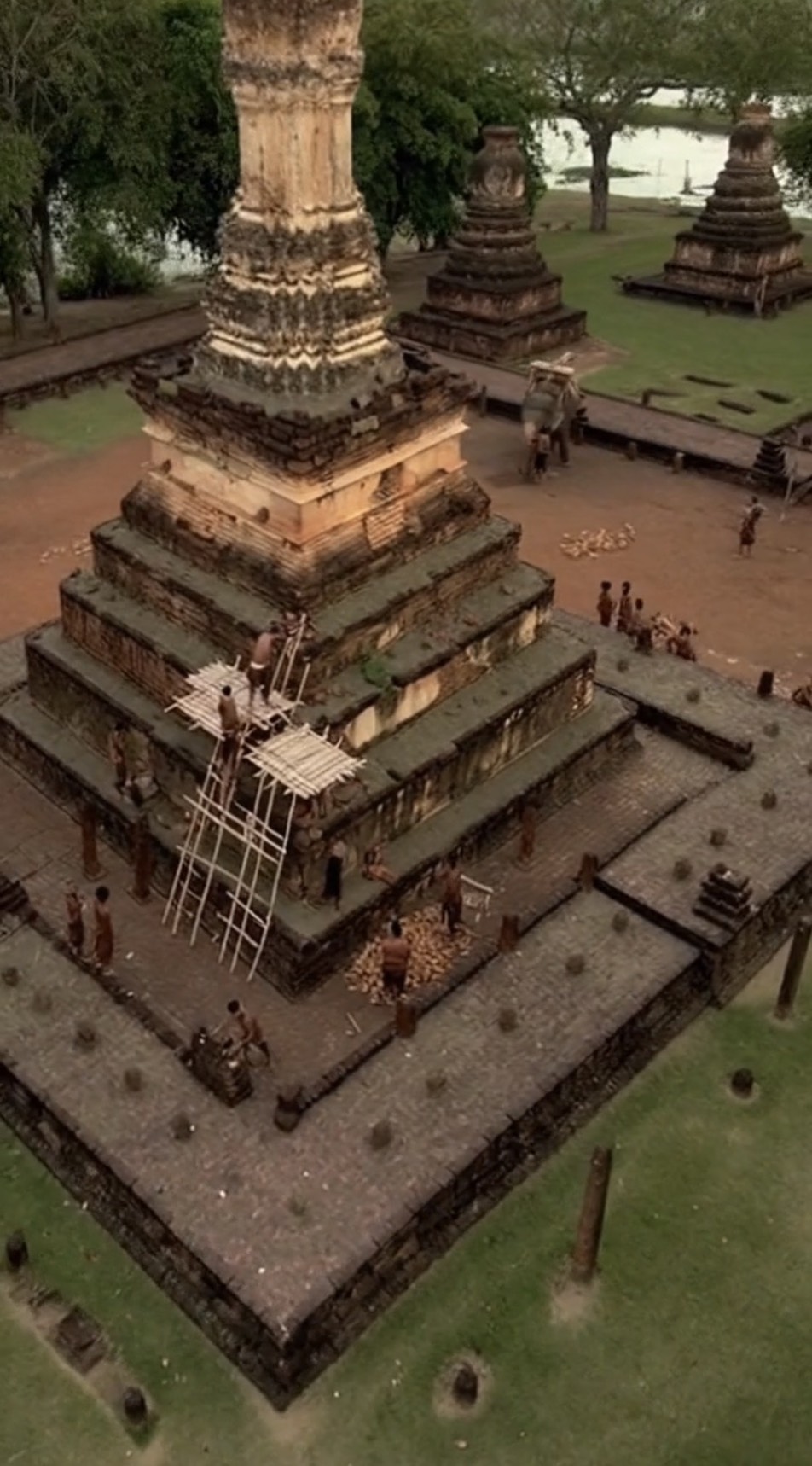
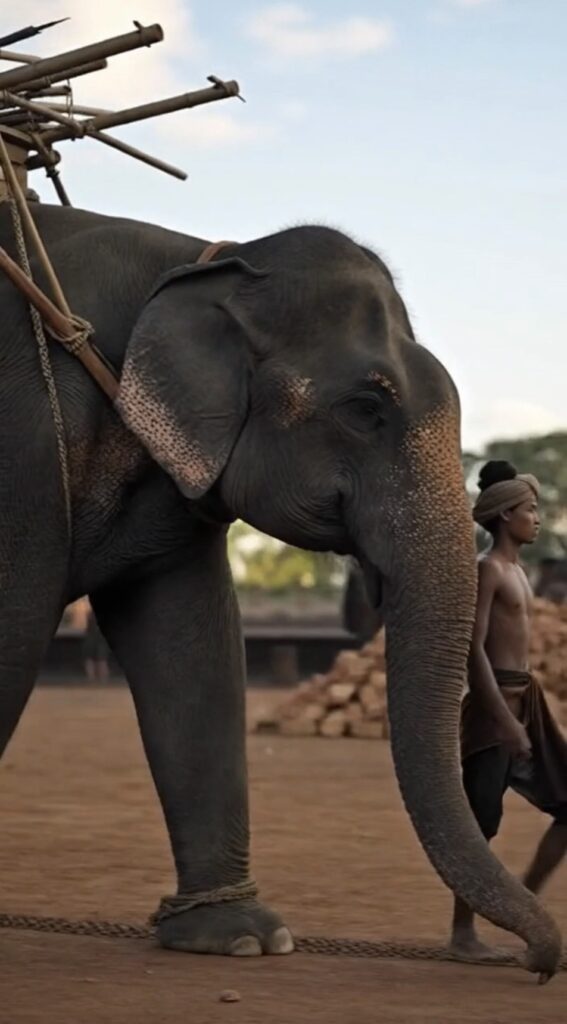
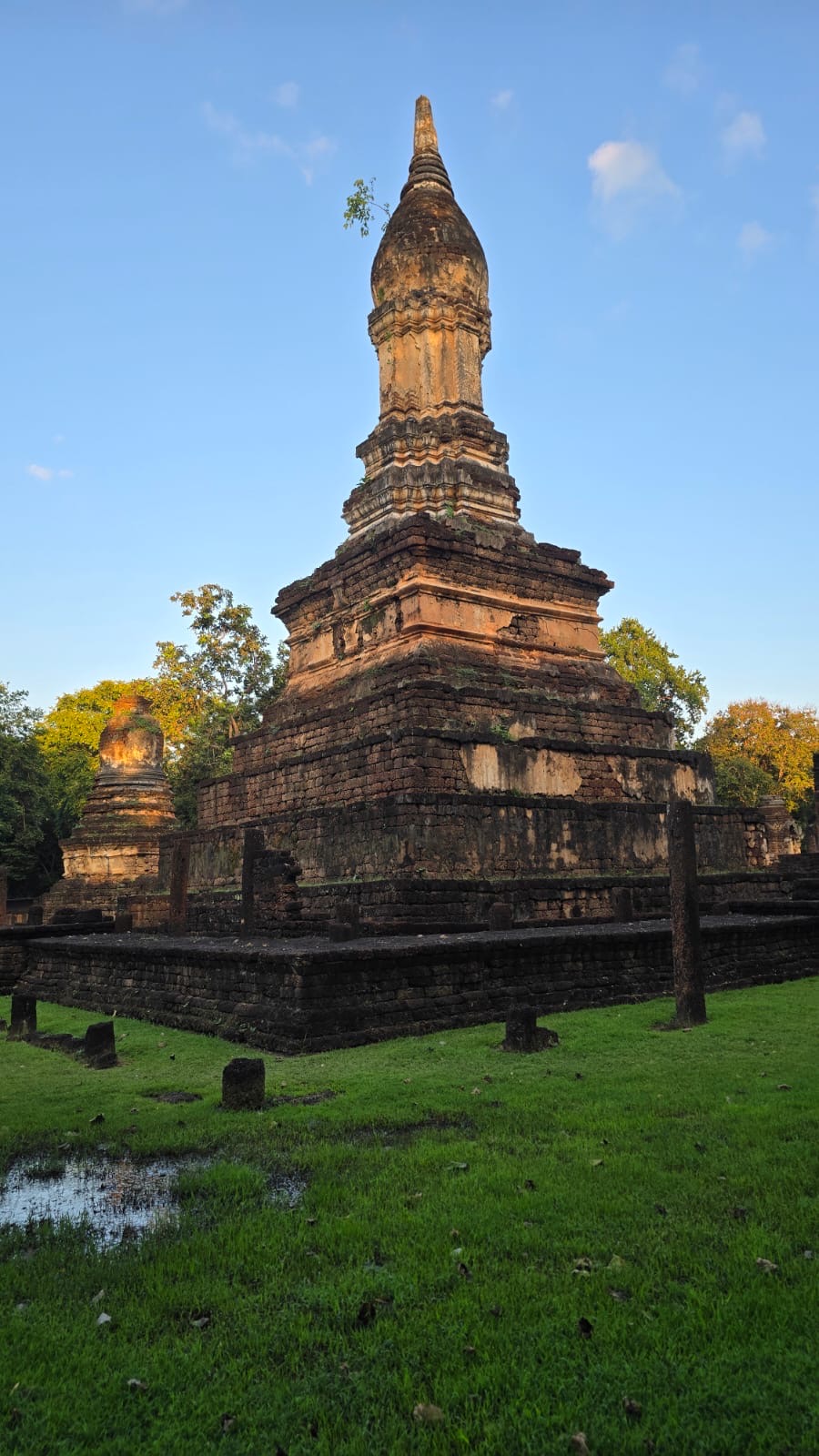
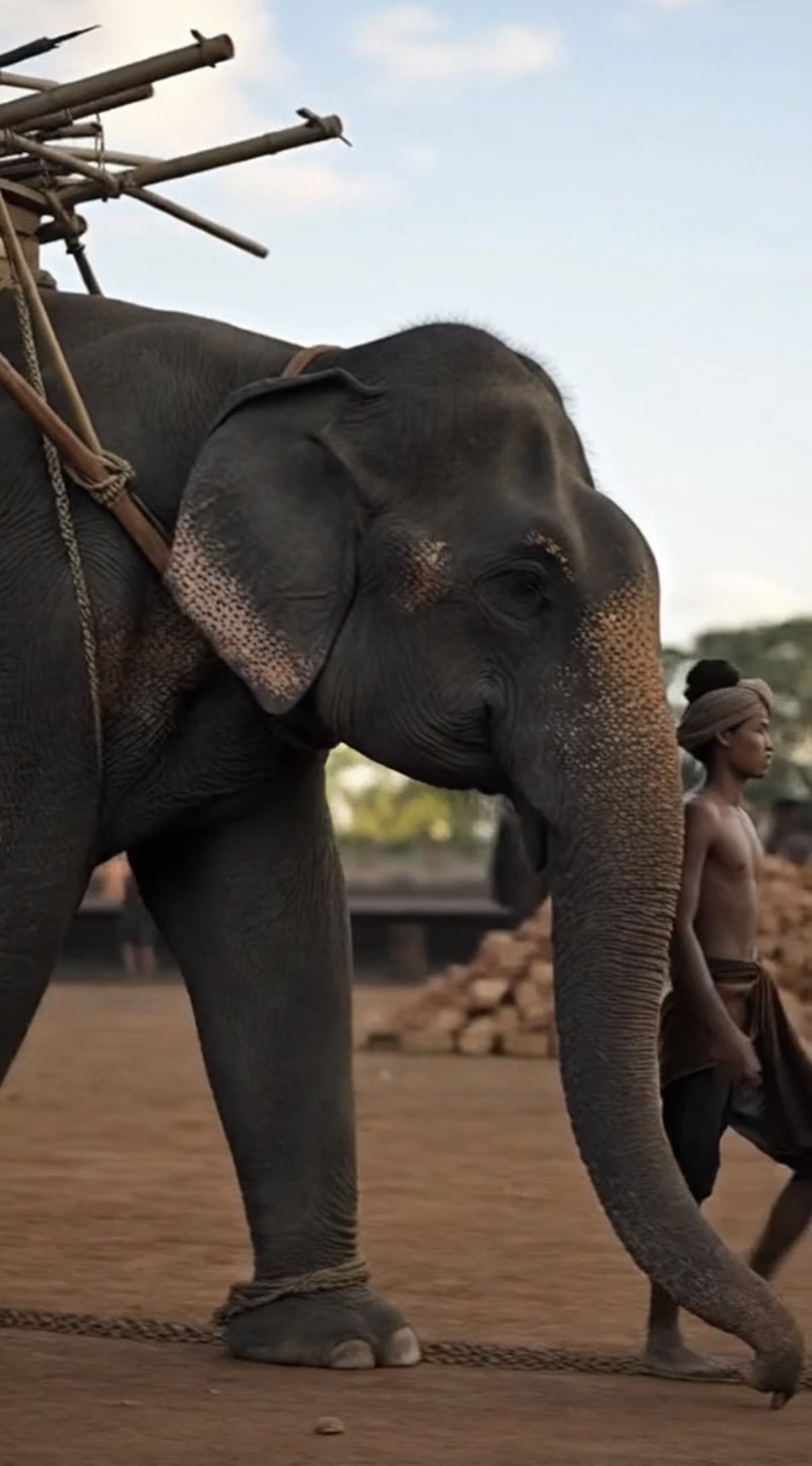
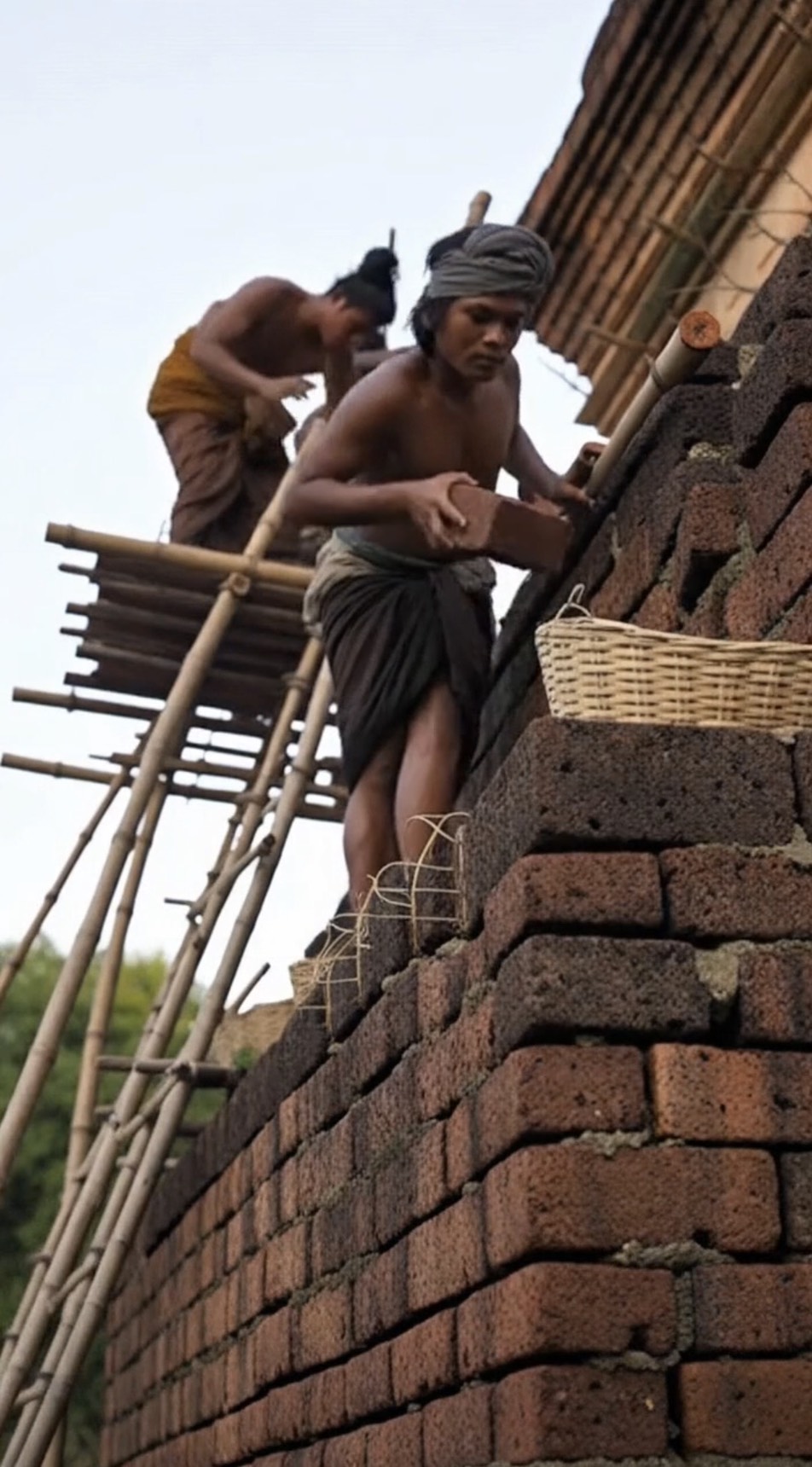
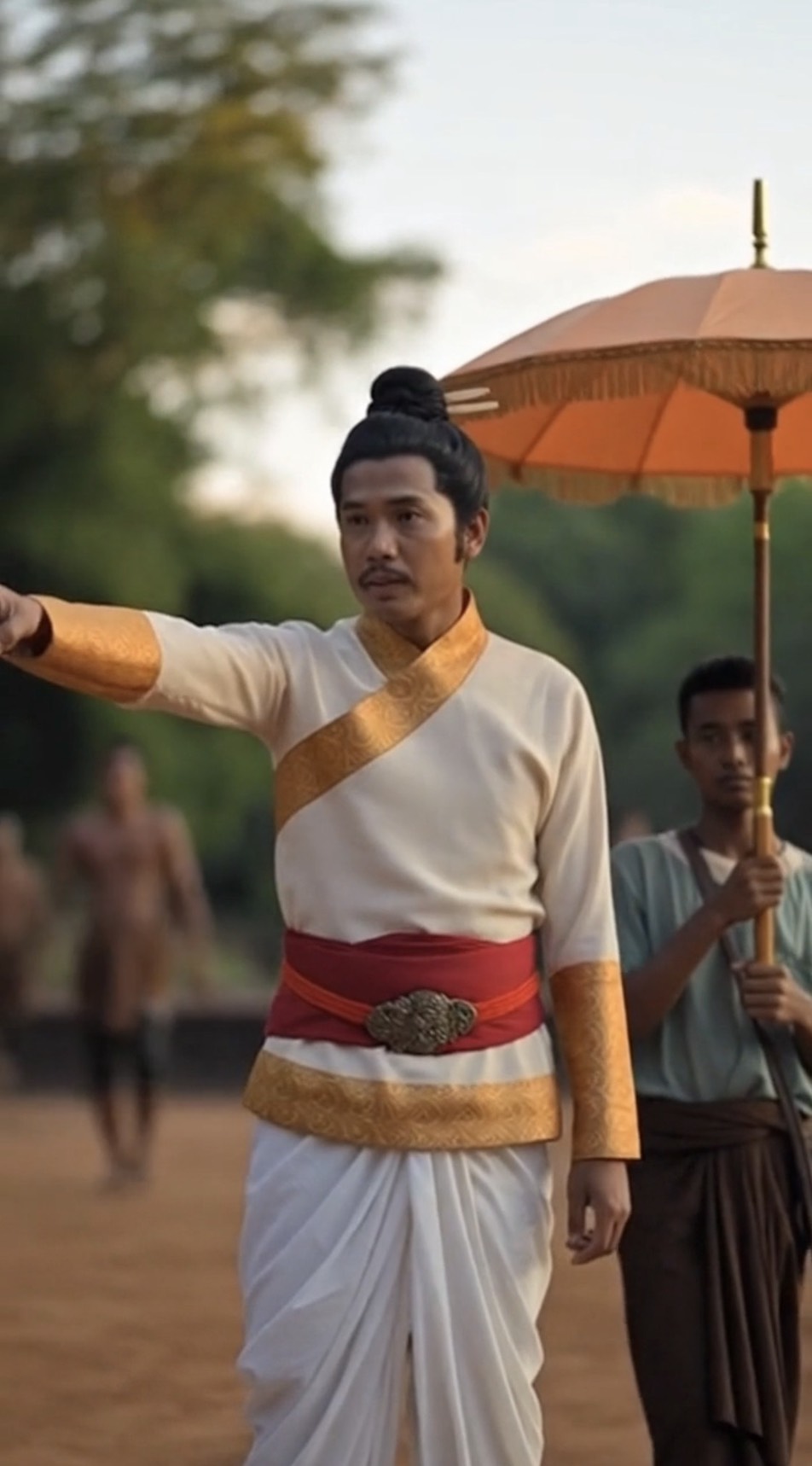
I. Across the dust of seven hundred years, their hands lay stones upon the earth— slow, solemn, sure— crafting temples for a dawn they would never behold. Beneath the weight of each brick, a heartbeat— and the trembling hope that time might carry their labor beyond their lives.
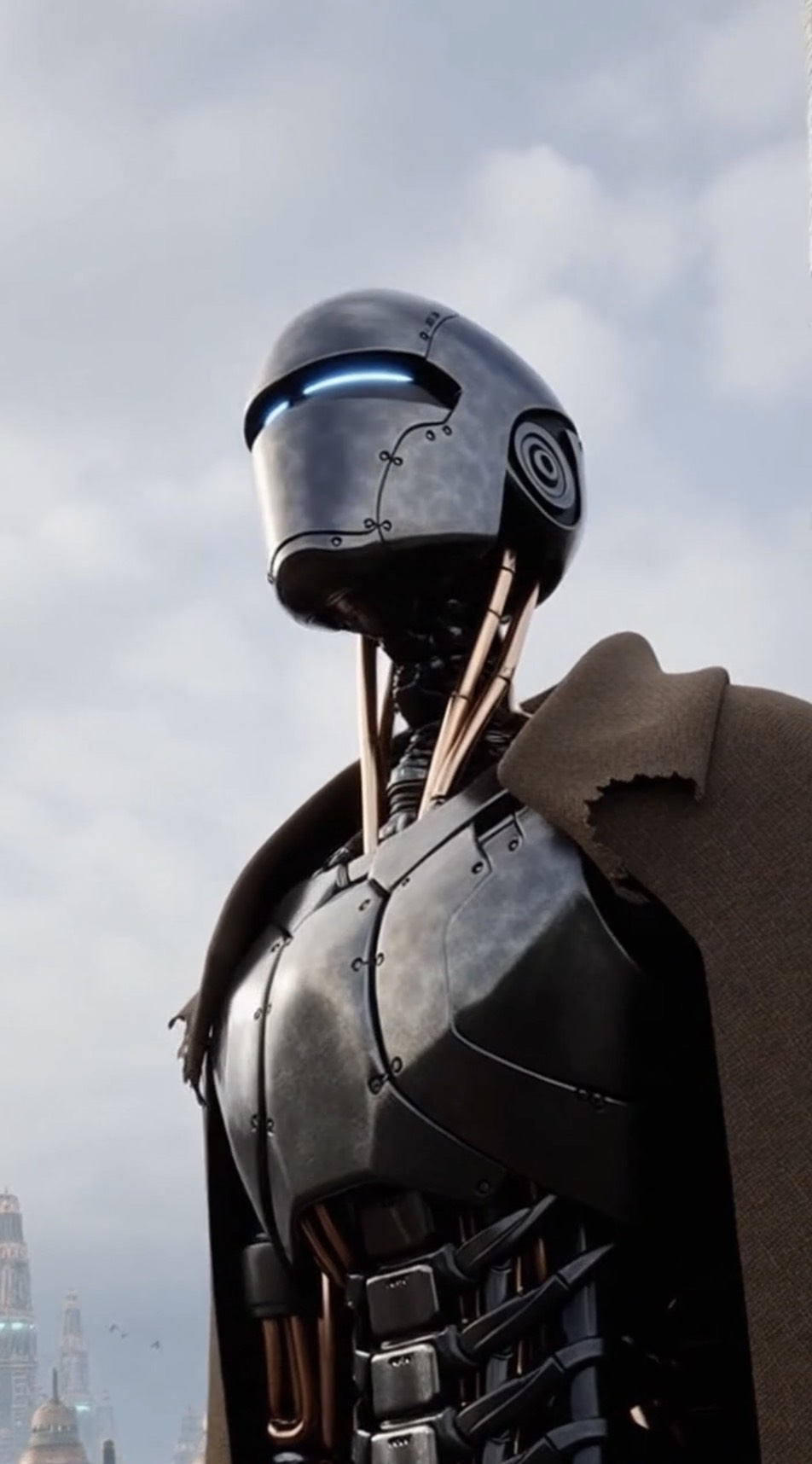
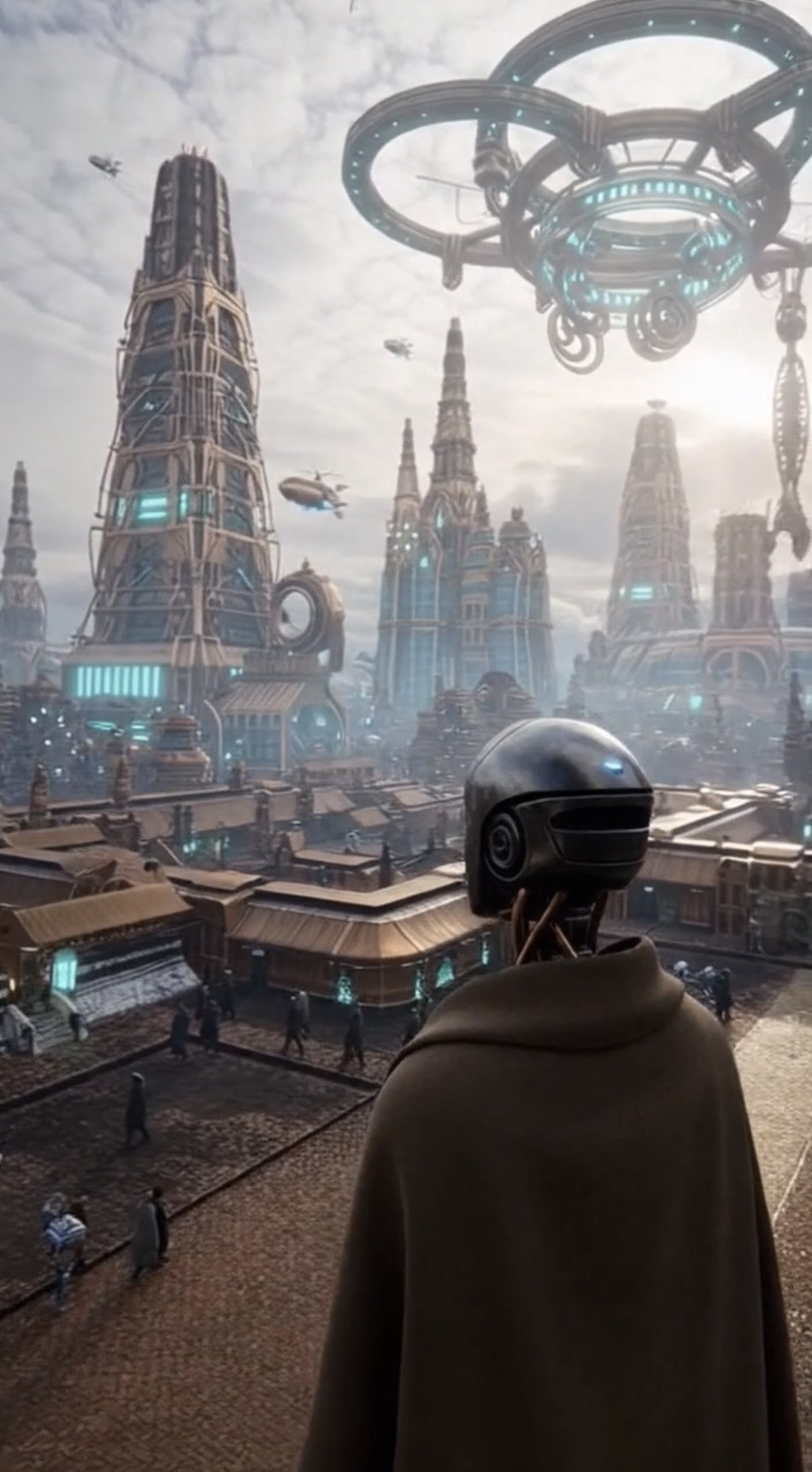
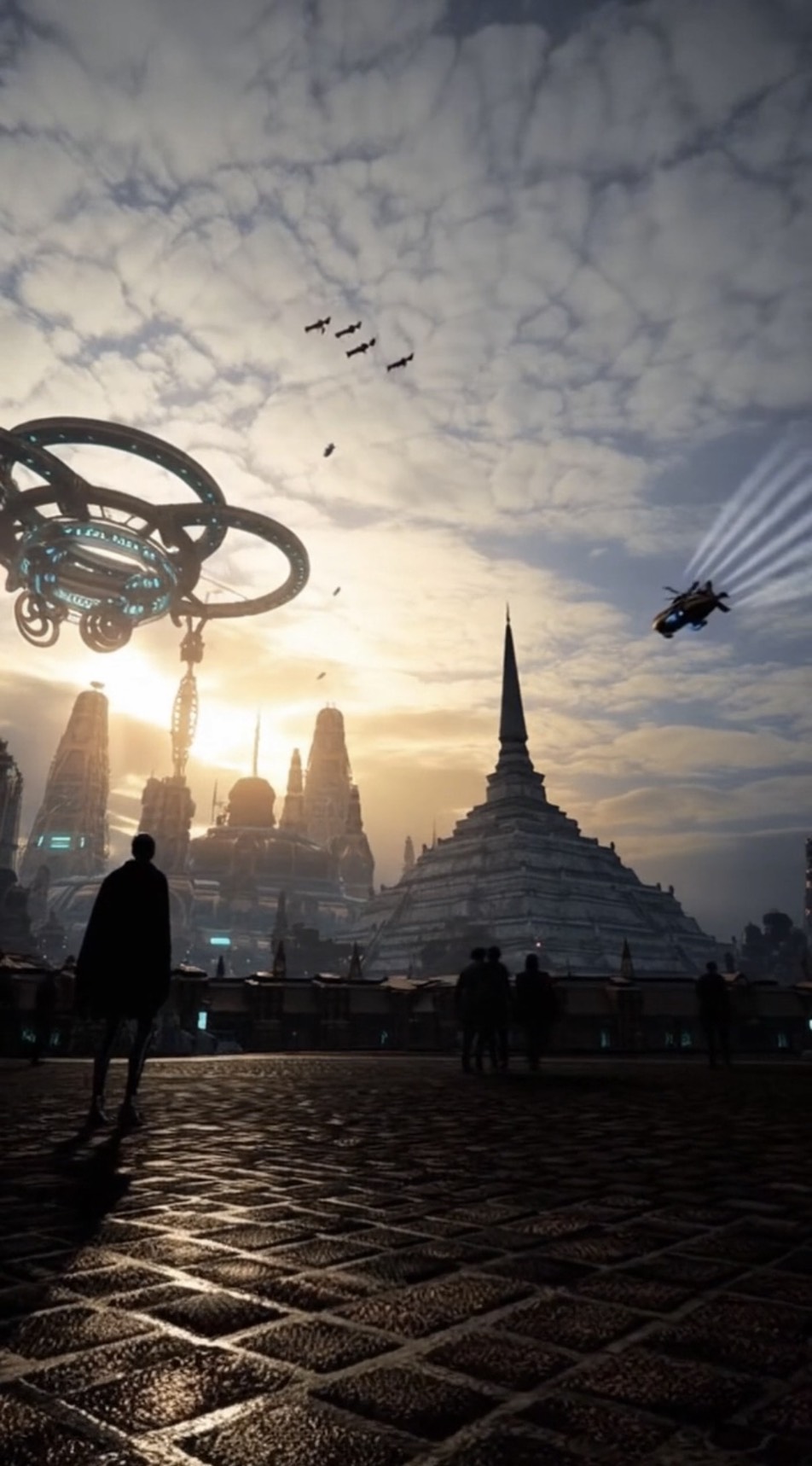
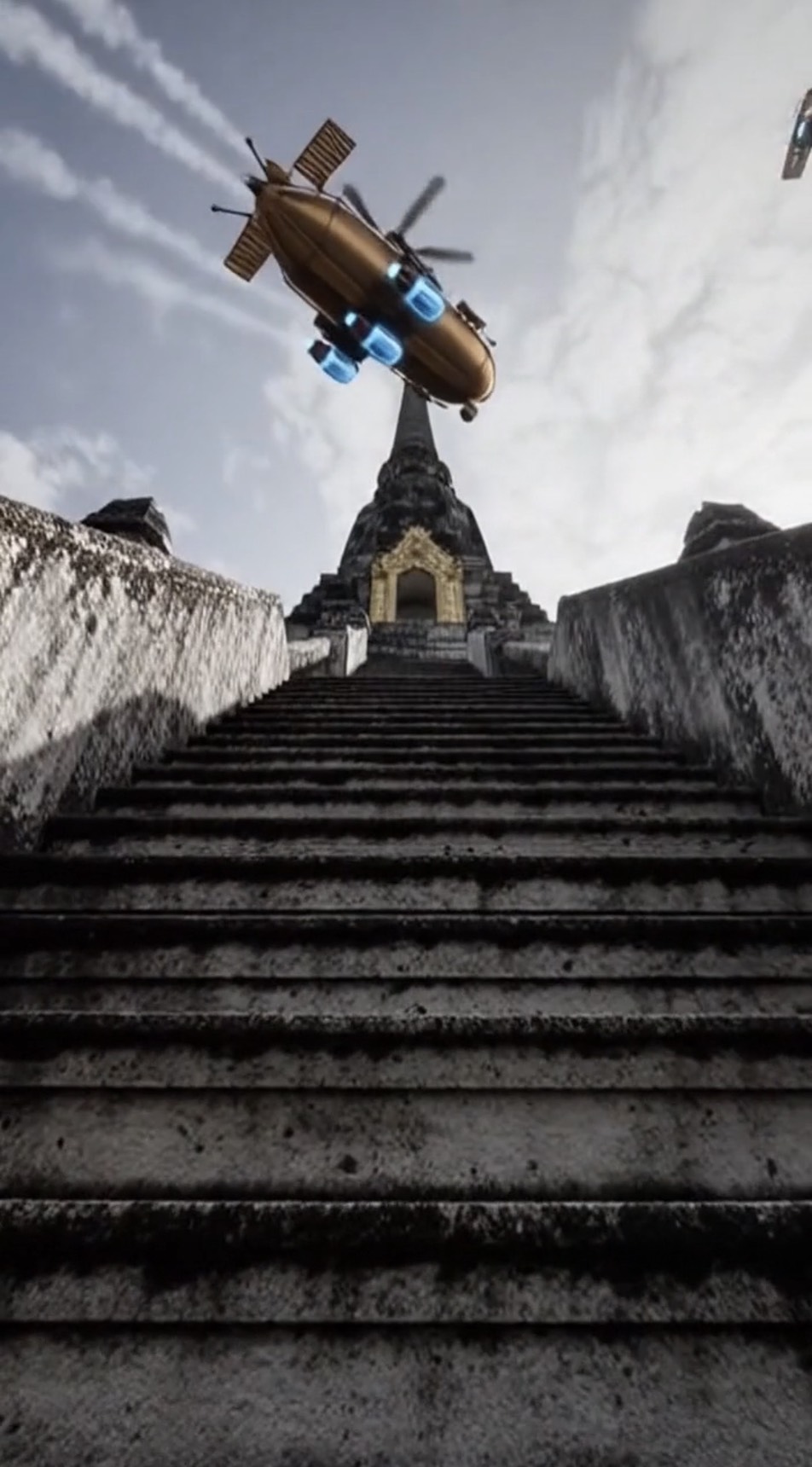
II. A thousand years hence, beneath a steel-born sky, an iron traveler stands. Its eyes—blue embers carved from silence— fall upon the ancient tower like a pilgrim remembering a dream it never lived.
III. O, how the ages fold upon themselves. The living build the future; the unliving guard the past. And between their distant footfalls lies a bridge of dust and light— a whispered covenant between creation and memory.
IV. Thus they keep their vigil: the craftsmen with their mortal hands, the traveler with its ageless gaze. Both bound— not by time, but by the quiet duty to remember.
For in the echo between centuries, they stand together— the Timekeepers.
Project Overview
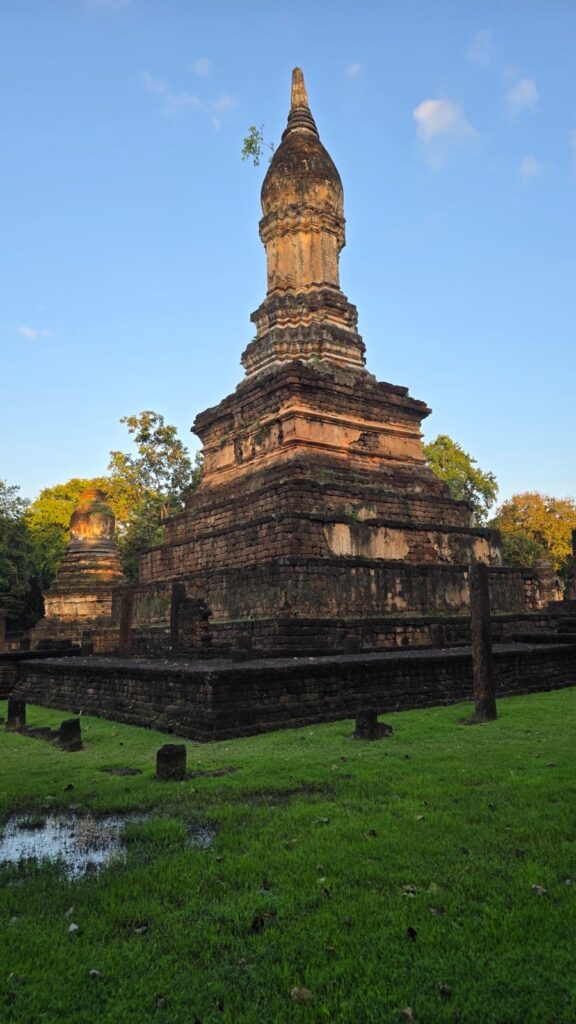
Timekeepers is a two-part visual meditation exploring how different eras observe one another across vast timelines. One film is set in the ruins of Sukhothai—lived history shaped by human hands seven centuries ago. The other imagines a distant future inhabited by an AI traveler who inherits a past it never witnessed. Through these parallel landscapes, the project reflects on memory, civilization, and the passage of time as a silent dialogue between worlds.
Concept & Research Background
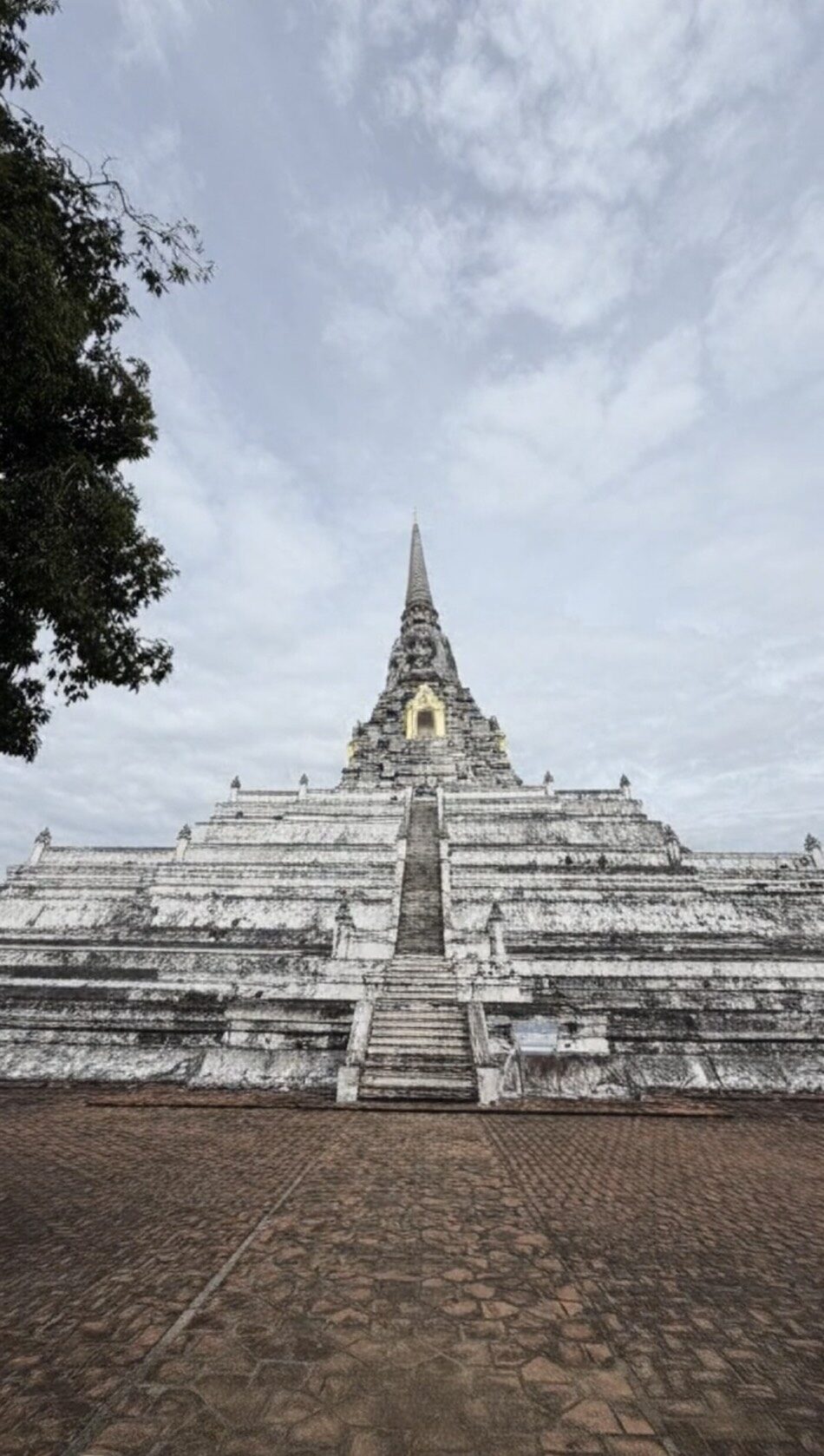
The project began with on-site research in two ancient Thai cities—Sukhothai and Ayutthaya—where the architectural remains evoke a profound sense of temporal distance. I was fascinated by how ancient builders shaped structures meant to outlast themselves, and how contemporary visitors meet these ruins with imagination rather than certainty. This contrast inspired the idea of pairing a historical site with a speculative future world, examining how time creates unexpected continuities between the past and what might come next.
Visual Narrative
The narrative unfolds through two observers separated by centuries: • The ancient world — a space shaped by rituals, devotion, and the silent endurance of stone structures. • The future world — inhabited by an AI traveler whose existence is defined by inherited history, not lived experience.
Their coexistence forms a poetic mirror: the past reaching forward, the future reaching back. Rather than telling a linear story, Timekeepers creates an atmospheric passage between eras—inviting viewers to feel the weight and lightness of history through visual rhythm, silence, and space.
Inspiration & Literary Influence
This project is influenced by poetic traditions that explore time, memory, and wandering—especially the tonal qualities of The Rime of the Ancient Mariner, whose meditative rhythm and mythic atmosphere echo the emotional structure of Timekeepers. The piece also draws from my background in literature, where storytelling becomes a lens for interpreting landscapes and how they hold traces of human presence across centuries.
Future Direction
Timekeepers is the foundation for a larger exploration of temporal storytelling. Future developments include extending the project into immersive formats such as VR or XR, allowing audiences to walk through reconstructed ruins or stand beside AI travelers in imagined futures. I aim to merge historical research with interactive technologies, creating experiences that help viewers feel the continuity of time—where ancient worlds and speculative futures can coexist within the same narrative space.
Other Developments
Alongside the main film, this project also includes an experimental reconstruction of a Sukhothai Buddha statue—created through layered imaging and gradual form restoration. This piece explores how digital tools can help us reimagine cultural heritage and make ancient structures more accessible through modern storytelling.
In the future, this reconstruction method could be adapted into museum-friendly XR/AR experiences, geography-based explorations, or on-site cultural guides, allowing audiences to witness how history is rebuilt, rediscovered, and reinterpreted across time.